


Tubular Belt Conveyor
Pipe Conveyor Belt / Pipe Belt Conveyor
Product Overview
The Pipe Conveyor (Tubular Belt Conveyor) was developed from the conventional belt conveyor. It shares the same head, tail, drive, and tensioning structures, but differs in the intermediate section—where countless hexagonal idler sets (composed of six idlers) roll the flat belt into a circular tube, completely enclosing the bulk materials to prevent spillage, drifting, rain exposure, and external contamination. Widely used in steel, building materials, papermaking, grain, salt production, chemical, mining, and bulk cargo port industries.
Core Advantages
Enclosed & Clean: Materials are conveyed inside a closed circular tube, causing no pollution to the surroundings and preventing external pollution, achieving clean conveying.
Spatial Curve: The conveying route can follow spatial curves, with the minimum radius of curvature in horizontal/vertical planes not exceeding 300 times the pipe diameter.
Large Inclination: Up to 30°. For materials with poor fluidity, the inclination can be increased further or even reach 90°, reducing conveying length and saving space and equipment costs.
Strong Adaptability: Capable of conveying powders up to 100mm in particle size and odorous materials; aggregates, ores, coal coke, limestone, crushed stone, sintered mix, as well as difficult-to-handle materials like clay, waste slag, fly ash, tailings, bauxite, and dust filter cake.
Reference Cases: Beijing Shougang Pipe Conveyor · Indonesia Dexin Steel Pipe Conveyor · Vietnam Formosa Project.
Tubular Belt Conveyor Related Case
- Shandong Weiqiao Group Pipe Belt Machine
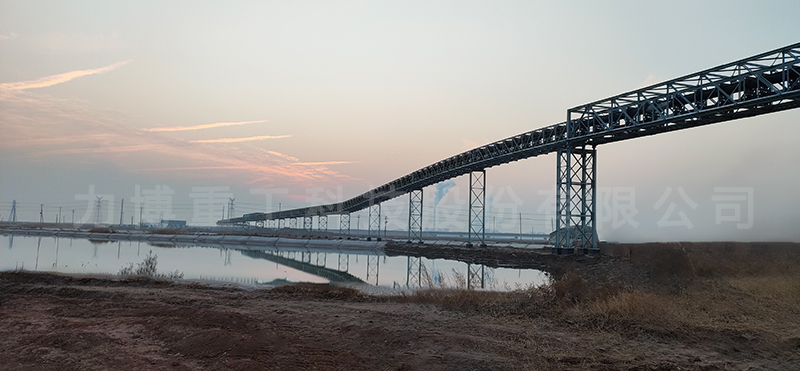
- Beijing Shougang, Pipe and Strip Machine
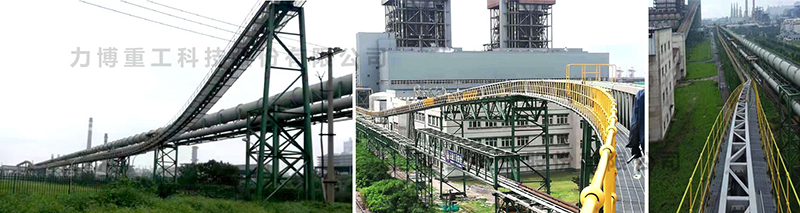
- Indonesia, Dexin Steel Pipe and Strip Machine (EPC Project)
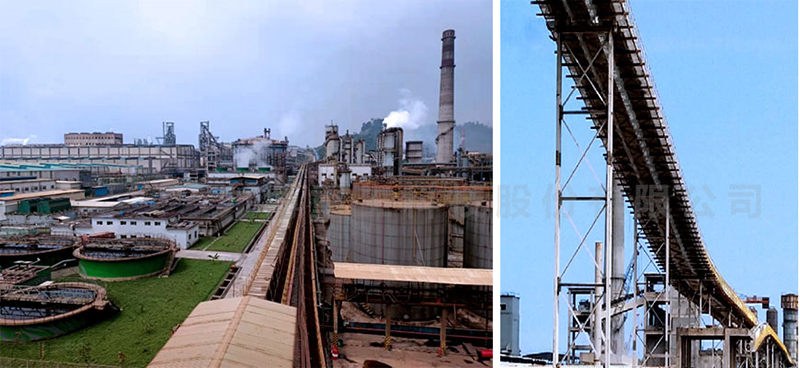
- Pipe conveyor, general contracting project
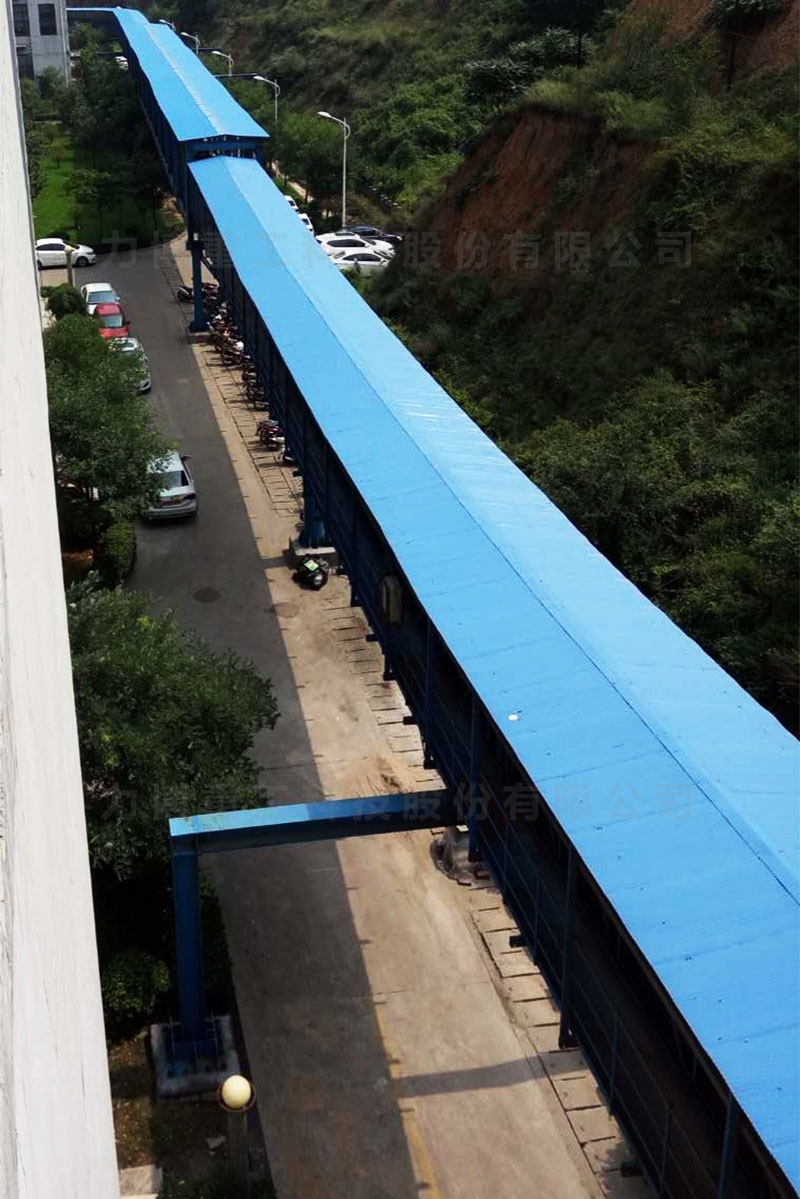

-

Hotline:
0086-538-5133855 -

E-mail
lb@lbhi.net -

address
No.51 Yingsheng Road, Taishan District, Tai'an City, Shandong Province, China
-
Global Marketing Department:
-
-
-

Manager:
Jingwei BI -
E-mail
bdoublel@lbhi.net -
WhatsApp
+447450596867